
Key Takeaways
- Buy on Value, Not Price: Undervalued deals are defined by income potential, replacement cost, and long-term fundamentals, not just a low asking price.
- Exploit Market Inefficiencies: Mispricing often stems from operational gaps, poor marketing, seller motivation, or regulatory blind spots that disciplined investors can identify.
- Use Data Over Speculation: Consistent success comes from analyzing local markets, income performance, and asset functionality rather than relying on intuition or trends.
To succeed in real estate investing, one of the most valuable skills you can develop is the ability to identify undervalued opportunities. While market appreciation and favorable financing can improve returns, long-term profitability is most often determined at the point of purchase.
Buying below intrinsic value creates immediate equity, increases strategic flexibility, and provides a built-in margin of safety against market shifts.
The challenge is that undervaluation is rarely obvious. It requires more than scanning listing prices, it demands behavioral insight, deep market knowledge, and disciplined data analysis to uncover properties that others overlook or misprice.
In this article from Vesta Property Management, we’ll break down how investors can systematically spot undervalued real estate deals by identifying hidden value, exploiting market inefficiencies, and applying proven evaluation methods with consistency and precision.
Understanding What Undervalued Really Means
Most people have the misconception that undervaluation means purchasing a property less than the market price. However, in reality, a property is undervalued when its price does not fully reflect its replacement cost, income potential, or long-term demand fundamentals.
True undervaluation may result from operational inefficiencies, information asymmetry, market mispricing, seller-specific motivations, and temporary distress. To recognize undervaluation, you need to look beyond surface metrics and list price.
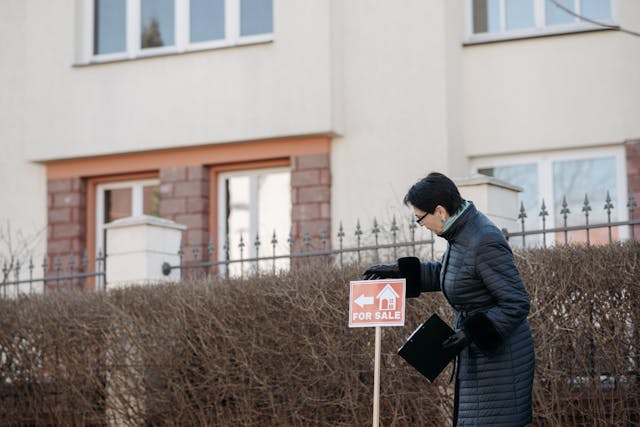
Tips for identifying undervalued properties
Successful investors rely on proven methods, not guesswork, to consistently uncover undervalued properties in competitive markets.
Market Inefficiencies and Opportunity Creation
The real estate market is not perfectly efficient. Each property is unique, difficult to trade quickly, and affected by local factors, which leads to frequent mispricing. These features provide inefficiencies that experienced property investors can exploit.
Common sources of inefficiencies in real estate properties include:
- Regulatory or zoning misunderstanding
- Deferred maintenance masks potential
- Outdated valuation assumptions
- Poor property marketing exposure
- Emotional seller decision-making
Where these inefficiencies persist, undervalued deals usually emerge.
Analyze Local Market Fundamentals
Identifying undervalued real estate deals starts with a solid understanding of local market fundamentals. Pricing inefficiencies often emerge when short-term perceptions diverge from long-term economic realities.
Supply and demand imbalances:
Understanding local supply and demand dynamics is essential. Undervaluation commonly occurs in submarkets where demand remains strong, but pricing lags due to temporary disruptions, negative sentiment, or overlooked data.
Investors should evaluate indicators such as absorption rates, housing inventory levels, infrastructure investment, employment diversity, and population growth trends.
When short-term market sentiment does not reflect long-term fundamentals, properties in otherwise strong areas may be mispriced.
Micro-market segmentation:
Real estate markets should not be analyzed as a single unit. Neighborhood-level analysis often reveals pricing disparities between adjacent areas with similar demographics, access, and amenities.

By evaluating micro-markets instead of broad regions, investors can uncover emerging opportunities before they are recognized by the wider market.
Move Beyond Comparables
Although comparable sales are useful, they are often limited. They usually reflect historical transactions and not future potentials.
Experienced investors usually differentiate between:
- Price: What the market currently pays
- Value: What an asset can generate over time
Undervalued properties do not often reflect the following:
- Zoning flexibility
- Income optimization opportunities
- Underutilized square footage
- Operational improvements
When valuing a property, ensure to incorporate both current performance and achievable outcomes.
Analyze Income and Rent Inefficiencies
Underperforming income relative to market standards is one of the most reliable indicators of an undervalued property. Assets with below-market rents may appear fairly priced based on current cash flow, but they are often undervalued once income is normalized to market levels.
Investors can identify below-market rents by looking for the following signals:
- Weak or inconsistent lease agreement enforcement
- Long-term tenants paying outdated rental rates
- Lack of regular or systematic rent reviewsInefficient or unmanaged operating expenses
Properties with these characteristics often present immediate upside through disciplined property management alone. In many cases, valuation is suppressed not by location or demand, but by operational inefficiencies.
High or poorly controlled expenses can also distort a property’s true performance. Administrative overhead, maintenance practices, or utility costs may be unnecessarily high, making a deal appear less attractive than it actually is.
Investors should determine whether these expenses are correctable through improved management or structural in nature before dismissing a property as overpriced.
Compare Physical Conditions With Functional Obsolescence
Buyers may be discouraged by deferred maintenance. This will create room for pricing discounts. Cosmetic or non-structural repairs make properties undervalued when compared to the post-improvement values.

Some common examples include landscaping neglect, outdated interiors, and exterior appearance issues. It is essential to have a clear understanding of renovation costs versus value creation.
Functional inefficiencies such as outdated systems, inadequate storage, or poor layouts can make properties undervalued. Investors should always consider improvements that can enhance the property’s ability to obtain greater value than purely cosmetic upgrades.
Identify Seller Motivation as a Pricing Driver
Sellers have motivations that are not related to the market. These are called non-market motivations. Undervaluations usually result in seller-specific circumstances rather than property deficiencies.
Some of these motivations may include rental portfolio rebalancing, financial restructuring, relocation timelines, partnership dissolutions, or estate settlements. Understanding these motivations can uncover negotiation leverage that is not related to asset quality.
Pricing flexibility, not lack of demand, may be the cause of extended days on the market. Properties that find it difficult to sell often become undervalued due to market fatigue, but not from fundamental weakness.
Ensure Regulatory and Zoning Oversight
Most investors underutilize or misunderstand zoning regulations. If current use does not reflect unit count, alternative use, or allowable density, properties may be undervalued. You can unlock values that others overlook when you understand local zoning codes.
Future value of properties can be altered by regulatory shifts, zoning amendments, or infrastructure plans. If future changes will promote rental income potential or desirability, the property price based on current conditions may be undervalued.
Bottom Line
Identifying undervalued real estate deals now requires strategic foresight, strong market knowledge, and disciplined analysis, not just bargain hunting.
Where perception is flawed, information is incomplete, or execution is weak, undervaluation emerges. Many investors address this by focusing on specific asset types, markets, or operational strategies.
Working with experienced partners like Vesta Property Management can help investors gain local insight and operational clarity to uncover hidden value.
Approaching opportunities with data-driven conviction rather than speculation remains one of the most reliable paths to long-term investment success.