Key Takeaways
- Act quickly and document everything. Keep accurate records and communicate clearly before escalating the situation.
- Use the deposit properly. Apply it according to the lease and provide an itemized statement within required timelines.
- Escalate in stages. Start with communication, then formal notices, and consider court or collections only if needed.
- Prevention matters most. Screening, clear leases, and consistent rent collection reduce the risk of unpaid balances.
- Professional help can reduce risk. Property management can streamline processes and limit exposure to losses.
Owning and operating a rental property involves risk. Even with thorough screening, you are still placing your property in someone else’s hands. In some cases, a tenant may move out with unpaid rent or leave behind additional costs that exceed the security deposit.
Security deposits are designed to offset these risks. Typically, equal to one or two months’ rent, they help cover damage or unpaid balances. In many situations, this works as intended. But there are times when the deposit simply is not enough.
When that happens, landlords need a clear, practical plan. That is why we at Vesta Property Management have prepared this guide to help you navigate your options and protect your investment.
Protect Your Rental Income Today
What to Do If the Security Deposit Doesn’t Cover Unpaid Rent
Before taking action, confirm that your records are complete. Make sure all payments, charges, and communications are documented. Review the lease to ensure your claim is supported by its terms.
Talk to the Tenant
Start with direct communication. A conversation may reveal why the rent was not paid and whether a resolution is possible.

Keep the discussion professional and focused on facts. If the tenant is experiencing financial strain, you may be able to agree on a partial payment or structured plan. This approach can save time and avoid escalation.
If the tenant refuses to engage or does not respond, move to more formal steps.
Withhold the Security Deposit
If the lease allows it, apply the security deposit toward unpaid rent and other legitimate charges.
Be sure to follow local requirements regarding timelines and documentation. Most jurisdictions require landlords to provide an itemized statement explaining how the deposit was used. Include receipts or supporting evidence where applicable.
Clear documentation strengthens your position if the dispute continues.
Send a Demand Letter
A demand letter is a formal request for payment. It should clearly state the amount owed, the reason for the debt, and a deadline for payment.
See How We Simplify Property Management
It should also note that further action may follow if the balance is not resolved. Sending the letter by certified mail helps confirm delivery and shows that you made a good-faith effort to resolve the issue.
In many cases, this step alone prompts rent payment.
Consider Small Claims Court
If informal efforts fail, small claims court may be an option. This process is designed for resolving lower-value disputes efficiently and at relatively low cost.
While procedures vary by jurisdiction, the general process includes filing a claim, serving notice to the tenant, and presenting your case at a hearing.

Preparation is key. Bring your lease agreement, payment records, and any correspondence that supports your claim.
Hire a Collection Agency
If pursuing legal action is not practical, a collection agency may help recover the debt.
These agencies specialize in collecting outstanding balances. Before hiring one, verify that it is licensed and review its reputation. This step helps reduce your exposure to compliance issues.
Collection efforts can impact a former tenant’s credit, which may encourage repayment, but results are not guaranteed.
How to Prevent This Situation
Prevention is often more effective than recovery. A few consistent practices can significantly reduce the risk of unpaid rent exceeding the deposit.
Conduct Detailed Tenant Screening
A thorough tenant screening process helps identify risk before a lease is signed.
Review rental history, verify income, and check references from prior housing providers. Patterns such as repeated late payments or unresolved disputes may signal future issues.
Taking time upfront can prevent costly problems later.
Ensure Timely Rent Collection
A clear and consistent rent collection system reduces confusion and delays.
Your lease should outline rent amounts, due dates, accepted payment methods, and any applicable fees. Automated reminders can help tenants stay on track, while consistent enforcement reinforces expectations.
Reliable systems make it easier to identify and address issues early.
Perform Regular Inspections
Routine inspections allow you to monitor property condition and address concerns early.
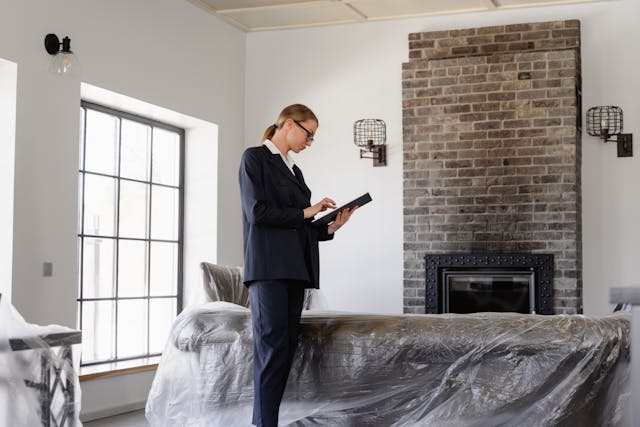
Look for signs of misuse or maintenance issues and resolve them promptly. Keeping the property in good condition reduces the likelihood of large repair costs if a tenant leaves unexpectedly.
Regular oversight also reinforces accountability.
Final Thoughts
When a security deposit does not cover unpaid rent, it can feel like a setback. However, a structured approach can help you recover what is owed or limit further loss.
Start with communication, document everything, and escalate only when necessary. At the same time, focus on strengthening your processes to reduce the likelihood of repeat issues.
At Vesta Property Management, we help property owners implement systems that support consistent rent collection, thorough screening, and efficient operations. With the right approach, you can protect your investment and reduce unnecessary stress.