- 1. Understand the Challenges of Long-Distance Property Management
- 2. Choose the Right Rental Property
- 3. Learn Your Local Landlord-Tenant Laws
- 4. Build a Reliable Local Support Team
- 5. Carefully Screen Every Tenant
- 6. Use a Detailed Lease Agreement
- 7. Use Technology to Stay Connected
- 8. Schedule Regular Property Inspections
- The Bottom Line
- Create reliable systems to manage your rental property from any location.
- Build a trusted local team to handle maintenance and property needs.
- Screen tenants carefully and use a detailed lease agreement to set clear expectations.
- Partner with Vesta Property Management for professional support that makes remote ownership easier.
Owning a rental property in another city or state can be a great way to build long-term wealth and earn steady rental income. However, managing a property from far away requires more planning than owning one close to home. You may not be able to visit the property quickly, meet with tenants in person, or respond immediately when maintenance needs come up.
The good news is that long-distance landlords can successfully manage rental properties with the right systems in place. By staying organized, communicating clearly, and working with trusted local professionals, you can protect your investment while providing a positive rental experience for your tenants.
Whether you own one rental home or several investment properties, having expert support can make remote property ownership much easier. Vesta Property Management helps landlords manage their rental properties with professional services, local expertise, tenant communication, maintenance coordination, and day-to-day management so owners can enjoy the benefits of investing without the stress of handling everything alone.
Below are practical tips to help you confidently manage your rental property from anywhere.
Learn how we can help you maximize your home’s potential.
1. Understand the Challenges of Long-Distance Property Management
Before managing a rental from another location, it is important to understand the unique responsibilities that come with remote ownership. Since you are not nearby, you will rely on planning, communication, and trusted local contacts instead of handling situations yourself.

For example, you cannot easily stop by the property to check on its condition or meet a contractor during a repair. Because of this, having clear systems in place becomes even more important.
Some of the most common challenges long-distance landlords face include:
- Identifying maintenance concerns quickly.
- Scheduling regular property inspections.
- Coordinating repair appointments.
- Communicating with tenants across different time zones.
- Monitoring the quality of contractor work.
- Staying informed about local landlord-tenant laws.
Marketing the property and finding qualified tenants
Understanding these responsibilities early allows you to prepare instead of reacting when situations arise. With a clear plan, remote property ownership becomes much more manageable.
2. Choose the Right Rental Property
Not every rental property is equally suited for long-distance ownership. Selecting the right investment from the beginning can reduce maintenance needs and create a smoother management experience.
Properties located in established neighborhoods with strong rental demand often provide more predictable results. Homes that have been well maintained and require fewer repairs can also reduce the number of service calls throughout the year.
When evaluating a rental property, look for features such as:
- Stable neighborhoods with strong rental demand.
- Nearby schools, shopping, and transportation.
- Reliable local employment opportunities.
- Well-maintained homes with fewer expected repairs.
- Communities with homeowner associations when appropriate.
- Areas with consistent property values.
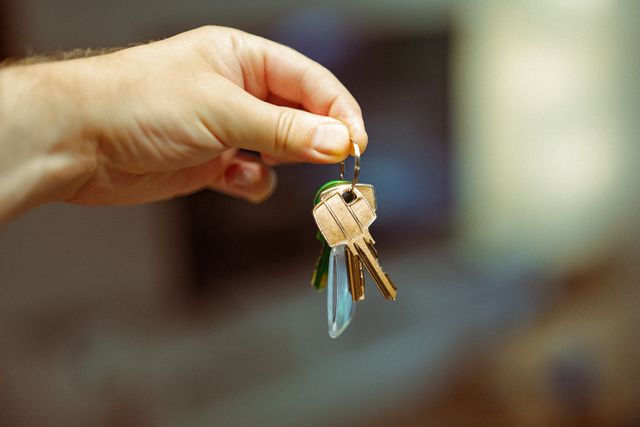
Choosing a property in a desirable location often leads to longer tenant stays and fewer vacancies. This can make remote management much easier over time.
A strong investment begins with selecting a property that supports long-term success.
Want professional help managing your investment?
3. Learn Your Local Landlord-Tenant Laws
Every state and local community has its own landlord-tenant laws. Even if you live somewhere else, you are responsible for following the rules where your rental property is located.
Understanding these laws helps protect both you and your tenants while keeping your rental business running smoothly.
Areas that landlords should become familiar with include:
- Security deposit requirements.
- Lease agreement regulations.
- Required notice periods.
- Property maintenance responsibilities.
- Fair housing laws.
- Habitability standards.
- Local eviction procedures.
Since laws can change over time, it is important to stay informed and review any updates that may affect your rental property.
Working with experienced local professionals or a property management company can also help ensure your property remains compliant with current regulations.
4. Build a Reliable Local Support Team
One of the best ways to successfully manage a rental from another location is by building a dependable network of local professionals.
When maintenance issues or repairs arise, having trusted service providers already in place helps reduce delays and keeps your property in excellent condition.

Consider creating a list of reliable professionals, including:
- Licensed plumbers.
- Electricians.
- HVAC technicians.
- General contractors.
- Handymen.
- Property inspectors.
- Cleaning companies.
- Landscaping services.
- Real estate attorneys when needed.
Establishing these relationships before an emergency occurs allows you to respond quickly whenever your property needs attention.
A dependable support network also gives tenants confidence that maintenance requests will be handled professionally and efficiently.
5. Carefully Screen Every Tenant
Finding qualified tenants is one of the most important parts of managing any rental property, especially when you live far away.
Responsible tenants often communicate well, pay rent on time, and take good care of the property. Taking the time to thoroughly screen every applicant helps create a more successful rental experience for everyone involved.
A complete tenant screening process may include:
Verify Income
Confirm that applicants have a reliable source of income that supports their ability to pay rent consistently.
Review Rental History
Speaking with previous landlords can provide valuable information about an applicant's rental experience, payment history, communication, and care of previous homes.
Check Credit History
A credit report can help provide insight into an applicant's financial habits and overall responsibility.
Complete Background Screening
When allowed by local laws, background screenings can provide additional information that supports informed rental decisions.
Although filling a vacancy quickly may seem appealing, taking extra time to complete a thorough screening process often leads to stronger long-term tenant relationships.
Seeking property management help? We are here.
6. Use a Detailed Lease Agreement
A clear lease agreement helps everyone understand their responsibilities from the beginning of the tenancy.
.jpg)
For long-distance landlords, written expectations become even more valuable because many questions can be answered by referring to the lease.
Your lease should clearly explain topics such as:
- Rent due dates.
- Accepted payment methods.
- Maintenance request procedures.
- Tenant responsibilities.
- Owner responsibilities.
- Communication expectations.
- Property rules.
- Renewal procedures.
- Move-out expectations.
Having detailed written policies creates consistency and helps both landlords and tenants know what to expect throughout the lease term.
A professionally prepared lease agreement also provides a strong foundation for a positive landlord-tenant relationship.
7. Use Technology to Stay Connected
Modern technology makes remote property management much easier than it was in the past. Many everyday tasks can now be completed online, allowing landlords to stay connected no matter where they live.
Helpful tools include online rent collection, digital lease signing, maintenance request portals, cloud-based document storage, video property inspections, and automated communication systems.
These tools help landlords stay organized while giving tenants convenient ways to communicate and submit requests.
Using technology also creates accurate records that can be referenced whenever needed.
8. Schedule Regular Property Inspections
Even when tenants are taking great care of the home, regular inspections are an important part of protecting your investment.
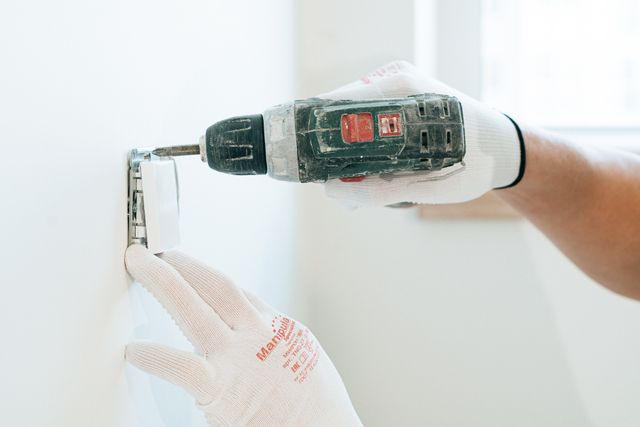
Routine inspections help identify maintenance needs early and ensure the property continues to meet safety and quality standards.
If you cannot perform inspections yourself, a trusted local property manager or qualified inspector can complete them on your behalf and provide detailed reports with photos.
Regular inspections also help landlords plan future maintenance and preserve the long-term value of the property.
The Bottom Line
Managing a rental property from another city or state requires planning, organization, and reliable local support, but it is entirely possible to succeed.
By understanding local laws, choosing the right investment property, building a dependable team, screening tenants carefully, using detailed lease agreements, and embracing technology, long-distance landlords can confidently manage their properties while protecting their investment.
Having professional support can make remote ownership even easier. Vesta Property Management works with landlords to simplify every stage of rental property management, from tenant screening and lease administration to maintenance coordination, inspections, rent collection, and ongoing communication.
With experienced local professionals managing the daily details, property owners can enjoy greater peace of mind while focusing on growing their investment portfolio.