- 1. Know the Most Common Causes of Water Damage
- 2. Schedule Regular Property Inspections
- 3. Keep Plumbing Systems in Good Condition
- 4. Teach Tenants How to Help Prevent Water Damage
- 5. Respond Quickly to Maintenance Requests
- 6. Inspect and Maintain the Roof
- 7. Maintain Gutters and Exterior Drainage
- 8. Create a Long-Term Water Damage Prevention Plan
- The Bottom Line
- Regular inspections help catch small water issues before they become expensive repairs.
- Plumbing, roofing, and drainage maintenance are essential for protecting rental properties.
- Teaching tenants how to prevent water damage helps reduce maintenance problems.
- Vesta Property Management helps landlords protect their investments with proactive maintenance and property oversight.
Water damage is one of the most common and expensive issues rental property owners face. While a broken pipe or leaking roof may not seem urgent at first, even a small amount of water can lead to costly repairs if it goes unnoticed. Water can damage walls, floors, ceilings, insulation, and electrical systems. It can also create conditions that lead to mold growth, making repairs even more expensive.
Unlike fires or break-ins, water damage often develops slowly. A small leak behind a wall or under a sink may continue for weeks before anyone notices it. By the time the problem becomes visible, the damage may already be significant.
Rental properties also have unique challenges because different tenants use the home in different ways. Owners cannot monitor the property every day, making preventive maintenance even more important.
The good news is that many water-related problems can be prevented. With regular inspections, routine maintenance, clear communication with tenants, and quick responses to repair requests, landlords can protect both their property and their rental income.
At Vesta Property Management, we help property owners stay ahead of maintenance issues through proactive inspections, professional maintenance coordination, and reliable property management services that help protect long-term investments.
We know how to maximize your home's potential.
1. Know the Most Common Causes of Water Damage
The first step in preventing water damage is understanding where problems usually begin. While severe weather and other climate issues can certainly cause damage, many water issues actually start with small maintenance concerns that grow over time.
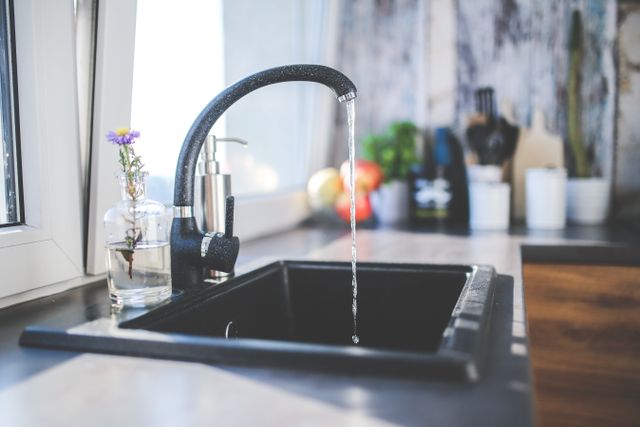
Some of the most common causes of water damage in rental properties include:
- Plumbing leaks.
- Aging or damaged roofs.
- Broken appliances.
- Burst pipes.
- Poor exterior drainage.
- Clogged gutters and downspouts.
- HVAC condensation problems.
- Overflowing sinks or tubs.
- Tenant maintenance oversights.
Water can travel behind walls, beneath flooring, and above ceilings before any signs become visible. By the time stains appear, moisture may have already affected building materials.
Knowing where problems are most likely to happen allows landlords to focus on preventive maintenance before repairs become more expensive.
2. Schedule Regular Property Inspections
Routine inspections are one of the best ways to reduce the risk of water damage. Many major repairs begin as small issues that could have been corrected early if they had been discovered sooner.
During inspections, look for signs such as:
- Water stains on walls or ceilings.
- Slow plumbing leaks.
- Soft or uneven flooring.
- Musty odors.
- Mold or mildew around windows or bathrooms.
- Damaged caulking around tubs and sinks.
- Roof wear or missing shingles.
- Poor drainage around the property's foundation.
Seasonal inspections are especially valuable. Checking the property before winter weather, hurricane season, or periods of heavy rainfall gives owners the opportunity to make repairs before severe weather arrives.
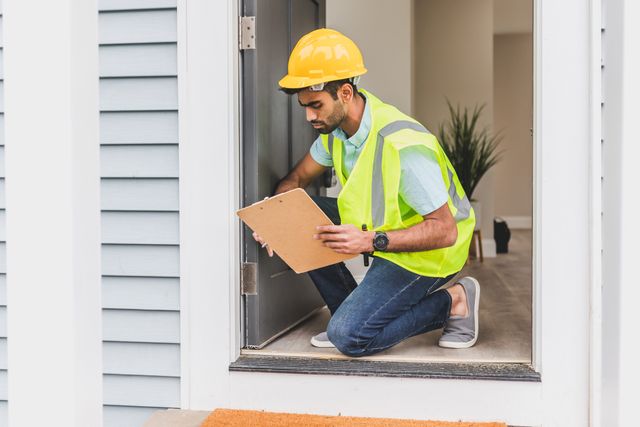
Routine inspections often cost much less than repairing water damage after it spreads throughout the property. Finding problems early helps keep maintenance costs lower while protecting the home's condition.
Seeking property management help? We are here.
3. Keep Plumbing Systems in Good Condition
Plumbing systems are responsible for many water damage claims in rental properties. Even a small drip can slowly damage cabinets, drywall, flooring, or subfloors if left untreated.
Property owners should regularly inspect several key plumbing components.
Water Pipes
Older pipes can wear down over time. Look for signs of corrosion, loose fittings, or small leaks around joints. Even hidden leaks inside walls can create significant damage if ignored.
Water Heater
Inspect the water heater regularly for signs of rust, moisture, or leaking connections. A failing water heater can release a large amount of water quickly, causing extensive flooding.
Toilets and Faucets
Dripping faucets and running toilets may seem minor, but they can signal larger plumbing concerns. Repairing these fixtures early helps prevent future problems while also reducing unnecessary water use.
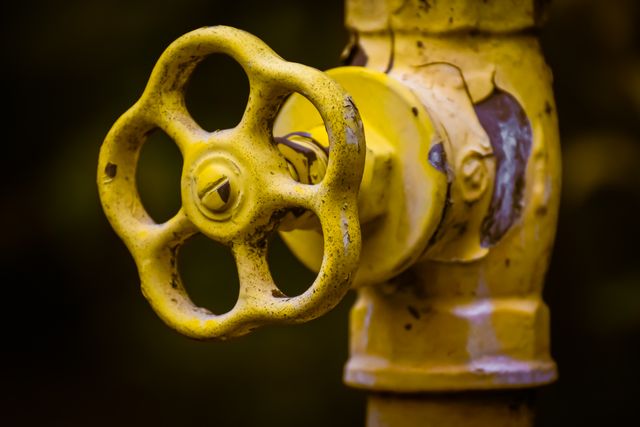
Water Shut-Off Valves
Every rental property should have working water shut-off valves that are easy to locate. During an emergency, shutting off the water quickly can greatly reduce damage.
Keeping plumbing systems well maintained protects both the property and the people living there.
4. Teach Tenants How to Help Prevent Water Damage
Tenants play an important role in keeping a rental property in good condition. Many water-related issues happen because renters simply do not know the best way to care for plumbing fixtures or recognize early warning signs.
Providing simple guidance during move-in can make a big difference.
Helpful topics include:
- What should and should not be flushed down toilets.
- How to dispose of grease and food waste properly.
- Ways to prevent sink and shower clogs.
- The importance of reporting leaks immediately.
- How to reduce indoor humidity.
- What to do if an appliance begins leaking or overflows.
Encouraging tenants to report maintenance concerns right away helps owners address problems before they grow larger.
Clear communication creates a better experience for everyone while helping protect the property.
Want help managing your property’s maintenance?
5. Respond Quickly to Maintenance Requests
Fast maintenance responses are one of the easiest ways to prevent expensive water damage.
A small leak reported today can become a damaged ceiling, warped flooring, or mold problem if repairs are delayed. Even minor plumbing concerns deserve prompt attention.
Maintenance requests that should receive immediate attention include:
- Leaking pipes.
- Ceiling water stains.
- Standing water.
- Appliance leaks.
- Water pressure changes.
- Overflowing fixtures.
- Drainage problems.
- Moisture around windows or doors.
Every reported concern should be inspected, even if it appears minor. Small repairs completed quickly often prevent much larger restoration projects later.
Quick responses also show tenants that the property is well cared for, encouraging them to report future issues as soon as they notice them.
6. Inspect and Maintain the Roof
Roof problems often begin long before water enters the home. Small openings may allow moisture inside without creating immediate signs indoors.
Regular roof inspections help identify issues before they become major repairs.
During roof inspections, check for:
- Missing or damaged shingles.
- Cracked flashing.
- Pooling water.
- Blocked drainage systems.
- Damaged chimney seals.
- Worn skylight seals.
- Loose vents.
Properties located in areas that experience frequent storms or heavy rainfall may benefit from additional inspections throughout the year.
Keeping the roof in good condition helps protect the entire structure from water intrusion, reduces the risk of costly repairs, and helps maintain your property's value over time.
7. Maintain Gutters and Exterior Drainage
Water should always flow away from the home. When gutters or downspouts become clogged, rainwater can overflow and collect around the property's foundation.
To improve drainage:
- Clean gutters regularly.
- Remove leaves and debris from downspouts.
- Make sure downspouts direct water away from the building.
- Check for areas where water pools after heavy rain.
- Keep landscaping from blocking drainage paths.
Good drainage helps protect foundations, basements, crawl spaces, exterior walls from excess moisture and keeps good curb appeal.
8. Create a Long-Term Water Damage Prevention Plan
Preventing water damage is not a one-time task. It requires regular attention throughout the year.
A long-term maintenance plan should include:
- Scheduled property inspections.
- Annual plumbing evaluations.
- Roof inspections.
- Gutter cleaning.
- Seasonal maintenance.
- Prompt repair scheduling.
- Tenant education.
- Maintenance record keeping.
Having a structured plan helps landlords stay organized while reducing unexpected repair costs over time.
The Bottom Line
Protecting your rental property from water damage starts with preparation. Regular inspections, plumbing maintenance, roof care, proper drainage, tenant communication, and fast responses to maintenance requests all work together to reduce risk.
Many costly repairs begin as small issues that could have been prevented with routine maintenance and early action. By staying proactive, landlords can protect their investment, reduce repair expenses, and provide tenants with a safe, comfortable home.
At Vesta Property Management helps rental property owners take a proactive approach to property care. From coordinating inspections and maintenance to responding quickly to repair requests, our experienced team works to keep your rental property in excellent condition while helping you protect your long-term investment.