- 8 Proactive Strategies to Minimize Tenant Damage
- 1. Conduct Thorough Tenant Screening
- 2. Create a Detailed Move-In Inspection Report
- 3. Set Clear Expectations in the Lease Agreement
- 4. Schedule Regular Property Inspections
- 5. Provide Proper Tenant Education
- 6. Use Durable and Easy-to-Maintain Materials
- 7. Respond Promptly to Maintenance Requests
- 8. Consider a Security Deposit Alternative Program
- Bottom Line
Key Takeaways
-
Rigorous tenant screening serves as a landlord's most effective first line of defense to prevent property neglect and damage before a lease is even signed.
-
Detailed documentation, through thorough move-in inspection reports and clear lease agreements, protects owners from unfair claims and future financial disputes.
-
Proactive property care, including regular inspections, prompt maintenance responses, and the use of durable materials, significantly reduces long-term repair costs while encouraging tenant respect.
Are you tired of walking into your rental property only to find unexpected damage that eats into your profits and peace of mind? As a property owner, protecting your investment is always top of mind, but tenant-related wear and tear can feel unavoidable.
Fortunately, with the right strategies in place, you can reduce risk and keep your property in great shape. When you need expert support to keep things running smoothly, remember that Vesta Property Management is here to help Virginia landlords protect and maximize their rental properties.
Learn how we can help you maximize your home’s potential.
8 Proactive Strategies to Minimize Tenant Damage
Use these 8 strategies to reduce the risk of tenant damage:
1. Conduct Thorough Tenant Screening
Tenant screening is one of the most effective ways to prevent property damage. By carefully selecting reliable tenants, you reduce the risk of neglect, misuse, or intentional harm. A good tenant respects the space, pays rent on time, and communicates openly, saving you time, money, and stress.
To conduct thorough screening, start by running a credit check to assess financial responsibility. Contact previous landlords to inquire about their rental history and any issues. Verify employment and income stability to ensure they can afford the rent. Taking these steps help you build a strong foundation for a positive landlord-tenant relationship.
2. Create a Detailed Move-In Inspection Report
A detailed move-in inspection report serves as your first line of defense against disputes over damages. It documents the property’s condition before the tenant moves in, providing clear evidence of pre-existing issues. This protects you from unfair claims when the tenant moves out, ensuring you only address actual damages caused during their occupancy.
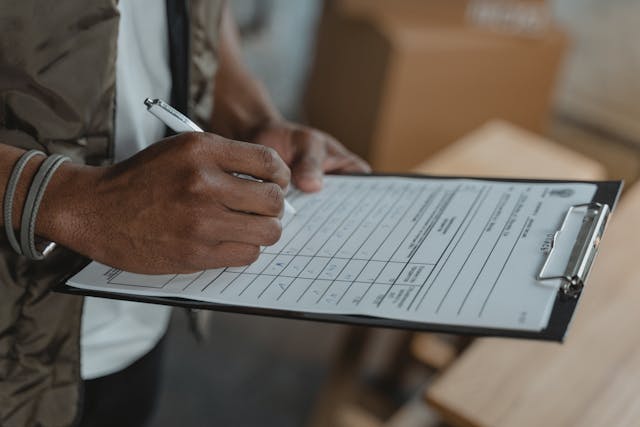
To create an effective report, take photos and videos of every room, noting any scratches, stains, or repairs needed. Use a checklist to document the condition of appliances, flooring, and walls. Have the tenant sign and date the report, confirming they agree with the findings. Keeping this record organized and accessible will save you headaches later.
3. Set Clear Expectations in the Lease Agreement
A well-written lease agreement sets the tone for the entire tenancy. By clearly outlining tenant responsibilities, you prevent misunderstandings and reduce the likelihood of property damage.
Make sure your lease includes specific clauses about pet policies, maintenance responsibilities, and consequences for damages. Be detailed about what constitutes normal wear and tear versus tenant-caused damage. A clear, comprehensive lease helps avoid disputes and protects your investment.
4. Schedule Regular Property Inspections
Regular inspections help you catch potential issues before they turn into costly repairs. Periodically checking the property allows you to identify maintenance needs, ensure compliance with lease terms, and address problems early.
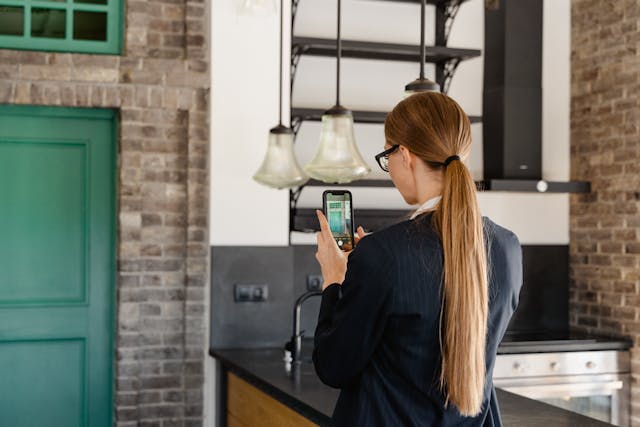
To conduct inspections properly, provide proper notice to the tenant as required by law. Walk through the property, checking for signs of damage, neglect, or unauthorized changes. Take notes and photos during the visit, and communicate any concerns with the tenant. Regular inspections show tenants that you care about the property, encouraging them to treat it with respect.
Learn how we can help you maximize your home’s potential.
5. Provide Proper Tenant Education
Many property issues arise simply because tenants do not know how to properly care for modern household systems. Educating your residents fosters responsibility and prevents accidental damage, such as clogged drains or broken appliances.
Provide a simple welcome packet that includes care instructions for appliances, HVAC systems, and unique flooring. You can also include a list of approved cleaning products and tips for preventing common issues like mold or pests. A brief walkthrough during move-in can reinforce these points and save on future repairs.
6. Use Durable and Easy-to-Maintain Materials
Choosing the right materials for your rental property can significantly reduce the risk of damage. High-quality, durable options like laminate flooring, scratch-resistant paint, and stainless steel appliances withstand daily use better than cheaper alternatives. Investing in these upfront not only protects your property but also appeals to long-term tenants who appreciate a well-maintained space.
When renovating or updating your property, focus on materials that are both durable and easy to clean. Choose materials that make upkeep simpler for tenants and reduce your long-term maintenance costs.
7. Respond Promptly to Maintenance Requests
Addressing maintenance requests quickly shows tenants that you care about their living conditions, which encourages them to respect the property. Delayed responses can cause minor issues to escalate into major disasters, such as a slow pipe leak turning into widespread water damage and mold.
Set up a clear system for handling maintenance, whether it’s a dedicated phone line, email, or online portal. Aim to respond within 24 hours and prioritize urgent issues like leaks or electrical problems. For non-emergency repairs, provide a reasonable timeline and follow up to ensure completion. Being reliable builds trust and reduces the likelihood of tenant-caused neglect.
8. Consider a Security Deposit Alternative Program
Traditional security deposits don’t always incentivize good behavior. Programs like surety bonds or prepaid insurance can reduce upfront costs for tenants while still protecting your property. These options encourage responsibility since tenants know they’re being evaluated for continued tenancy.
To implement this, research Virginia-specific laws on deposit alternatives and work with an insurance provider or surety bond company. Clearly outline the terms in your lease, explaining how the program works and what behaviors could affect their standing. This modern approach appeals to cost-conscious tenants while giving you added peace of mind.
Bottom Line
Safeguarding your rental property from damage does not have to be a solo effort. At Vesta Property Management, we specialize in proactive strategies to minimize risks and maximize returns.
From thorough tenant screening to detailed inspections and maintenance oversight, we handle the details so you don’t have to. Let’s discuss a customized plan that fits your goals and keeps your Virginia property in top condition. Reach out today, your investment deserves expert care.